
MOSQUITO CONTROL • MURFREESBORO
Start with the water. Then the yard.
After rain, small containers and shaded resting spots can turn a patio into a bite-heavy place. Check the property before choosing a plan.
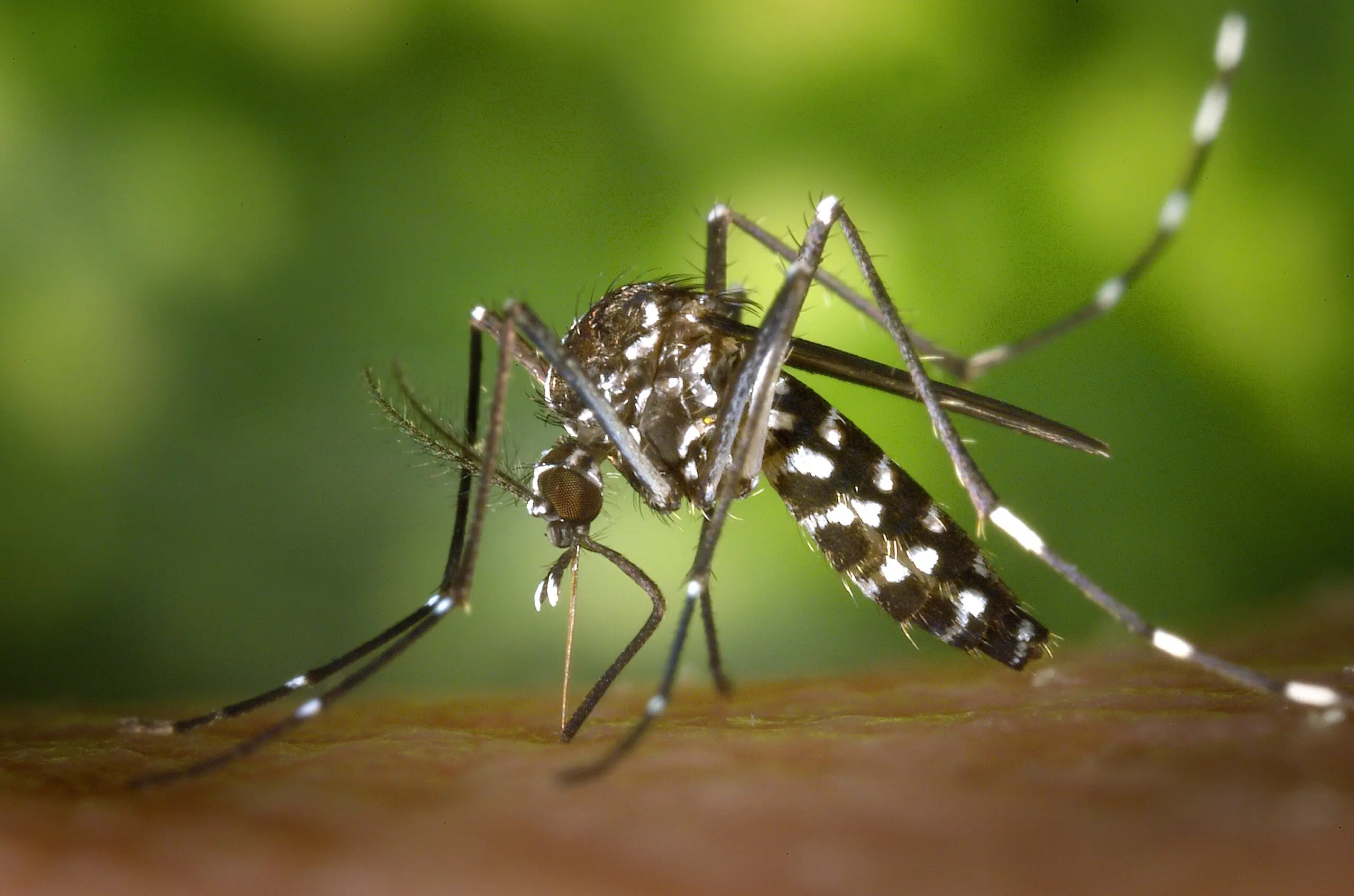
Why the biting changes after rain
Mosquitoes need water to develop. The breeding site may be as ordinary as a flowerpot saucer, bucket, clogged gutter, or tire. Adult mosquitoes also rest in vegetation and other sheltered areas, so focusing only on a spray misses part of the problem.
Tennessee’s warmer months and periodic rain make a repeatable yard check useful. A nearby creek or the Stones River Greenway does not tell you where the mosquitoes at your house came from. Inspect your own containers and drainage first.
The five-minute yard walk
Empty and drain
Reduce resting places
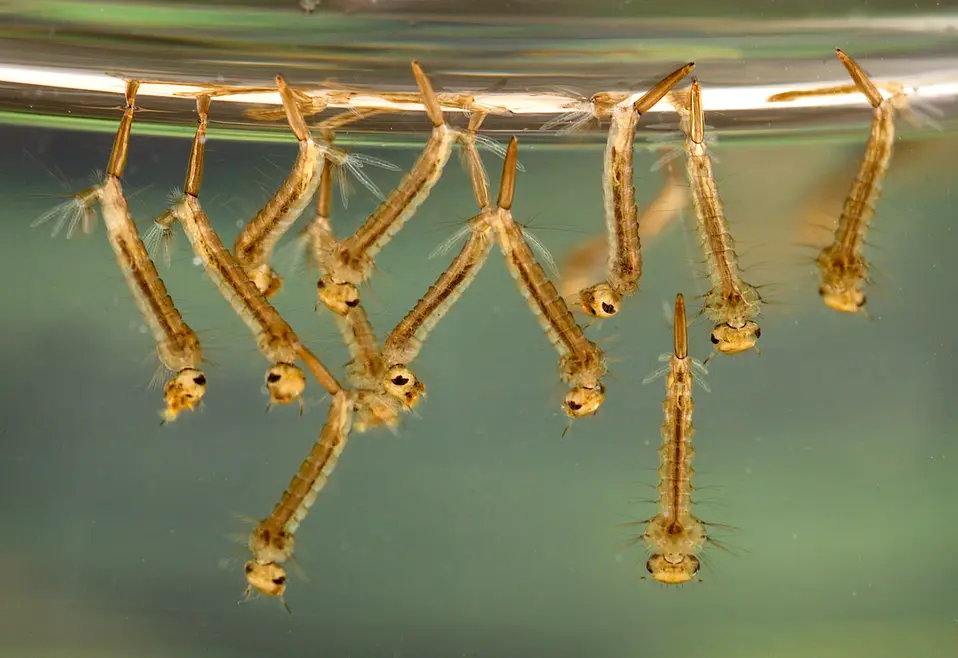
What larvae in water tell you
Larvae live below the water surface before they become flying adults. Removing small standing-water sources interrupts that part of the life cycle. For water that cannot be drained, ask a qualified professional about appropriate, label-directed larval control rather than improvising a household chemical mix.
The CDC and Tennessee Department of Health recommend removing standing water. Repeat the check after rain and during the warm season; a single cleanup does not prevent new containers from filling.
What to ask a mosquito provider
Ask what the visit includes: inspection, source reduction, treatment of shaded resting areas, management of water that cannot be emptied, visit frequency, and follow-up. Tell them about pets, children, vegetable beds, and flowering plants. Request the product name and label instructions.
A one-time visit for an outdoor event and a seasonal program solve different scheduling needs. Neither can make an outdoor property permanently mosquito-free; weather, neighboring land, and new water sites affect results.
Murfreesboro outdoor context
Backyards near Barfield Crescent Park, Lytle Creek, or greenway routes can have different shade and drainage from newer subdivisions. Those landmarks are context, not a diagnosis. A useful plan starts with the particular patio, lawn, gutters, and water-holding objects on your property.
For a rental with shared outdoor space, coordinate standing-water fixes with the property manager. If neighboring areas hold water, document what you can control and ask the service provider how that affects expected results and follow-up.
Mosquito control FAQs
How do I reduce mosquitoes in my Murfreesboro yard?
Empty standing water weekly and after rain, maintain gutters, repair screens, and inspect shaded resting spots. Seek a property assessment if biting remains heavy.
Is a one-time treatment enough for summer?
It can be useful for a specific event, but activity can return as weather and water sources change. Ask what the one-time visit includes and whether follow-up is available.
Does living near Stones River mean mosquitoes breed in my yard?
Not necessarily. The source at a particular house cannot be inferred from a map. Check small containers, drainage, and nearby resting areas before choosing a response.
Is mosquito control safe for pets and gardens?
That depends on the product, application, and label directions. Tell the provider about pets, edible plants, and flowering areas, and ask for the product information and re-entry instructions.
How much does mosquito control cost?
Quotes depend on yard size, water sites, treatment scope, and visit frequency. Compare the written scope and recurring terms rather than a single advertised price.
Public health guidance
Tennessee Department of Health: Vector-Borne Diseases
Images illustrate an adult mosquito and larvae. They do not identify the species or conditions at your property.
Looking for another pest?
Return to the Murfreesboro pest guide for household pests, termite information, and practical next questions.